

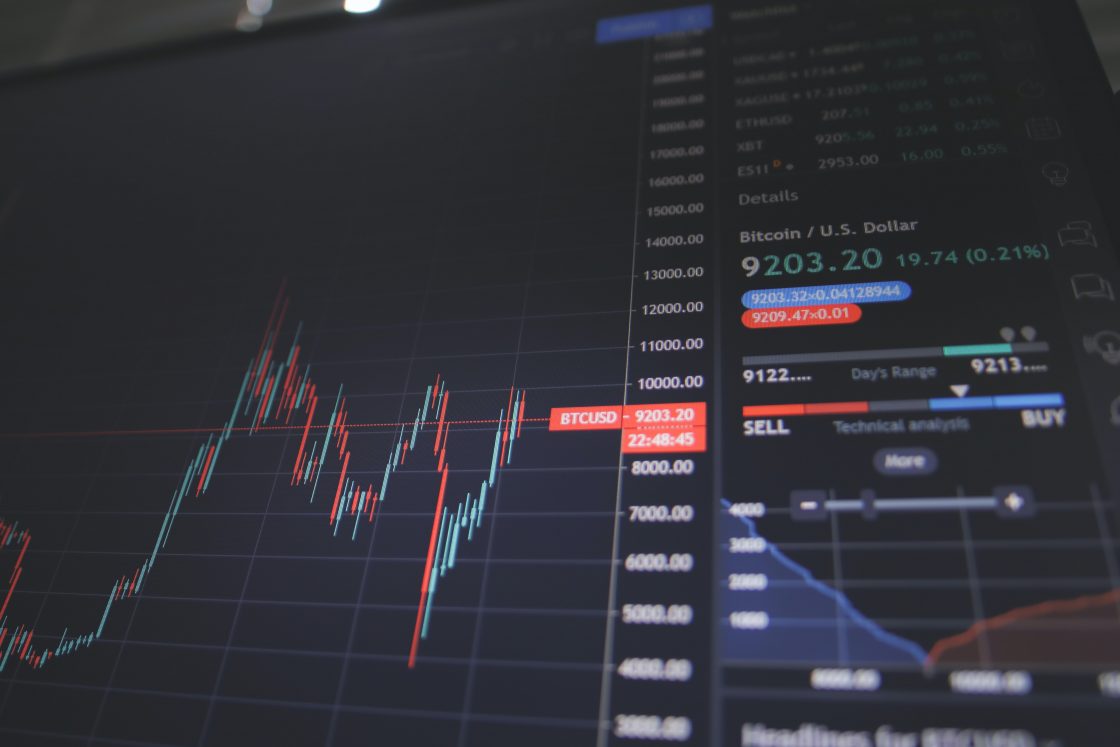
The Ukrainian conflict is increasing stock market volatility and reshuffling the deck between stocks, sectors and regions. and geographic zones. While identifying the winners (defense and arms values) and losers (banks, tourism, aeronautics) is fairly straightforward, knowing which strategy to adopt in these uncertain times is another matter altogether. In December 2021, the Autorité des marchés financiers published a qualitative study entitled «Stimulating the diversification of long-term savings into equities». From this, we have drawn four practical tips that have proved successful in previous crises: subprime 2007-2008, Greek debt 2010 - 2011 and Covid 2020.
In this article, you'll find four practical tips for getting through the Ukrainian crisis: maintain your positions by diversifying further, continue buying stocks at the same pace as before the crisis, and rebalance your holdings at the end of the year.
Tips for getting through the Ukrainian crisis without too much damage.
1. Hold your positions
2. Continue buying stocks at the same pace as before the crisis
Investing a small amount each month regardless of the stock market trend is a golden rule. When markets are dear, you buy few values ; when they're cheap, you buy them more. This procedure optimizes your cost prices and enables profitability, in the duration, close to the market average, i.e. 7 to 8% per year. Regular investment also offers the advantage of automaticity. In turbulent times like these, it's very easy to precious. You don't have to think about when to invest. You stick to what you've decided once and for all, which is to invest such and such an amount on such and such a day of the month.
3. Diversify further
Not all markets and not all market segments evolve in tandem. This is why the diversification reduces stock market portfolio fluctuations. But beware of «naive diversification», as behavioral finance teaches us. Invest your savings in two funds into shares of different banks is far from sufficient. After all, these two funds may be investing in the same stocks. We need to go further and analyze the composition of the funds to ensure that they do not perform well or poorly over the same periods.
Having taken these precautions, the AMF speaks of «virtually no risk when equity investments are diversified and preserved over at least fifteen years». An observation that should be part of basic financial education. for all savers.
4. Rebalance your assets at the end of the year
Good diversification is not enough in markets shaken by a major crisis, such as Russia's invasion of Ukraine. Over time, the initial allocation of your stock market savings (between business sectors, company sizes, geographical areas, etc.) becomes distorted because some stocks rise more than others. Financial theory teaches us that it's better not to let it get out of hand. diverge too widely. In practice, a rebalancing once a year seems ideal according to various simulations (read «Comparative performance of different savings strategies», Pierre-Emmanuel Darpeix and Natacha Mosson, 2018). Automatic rebalancing at the end of the year has the advantage of not leaving you alone with your doubts and fears about what to do next.
Maintain your positions by diversifying further, continue to buy stocks at the same pace as before the crisis, and rebalance your holdings at the end of the year: these are the practical tips to follow. Income to get through the Ukrainian crisis without too much damage.